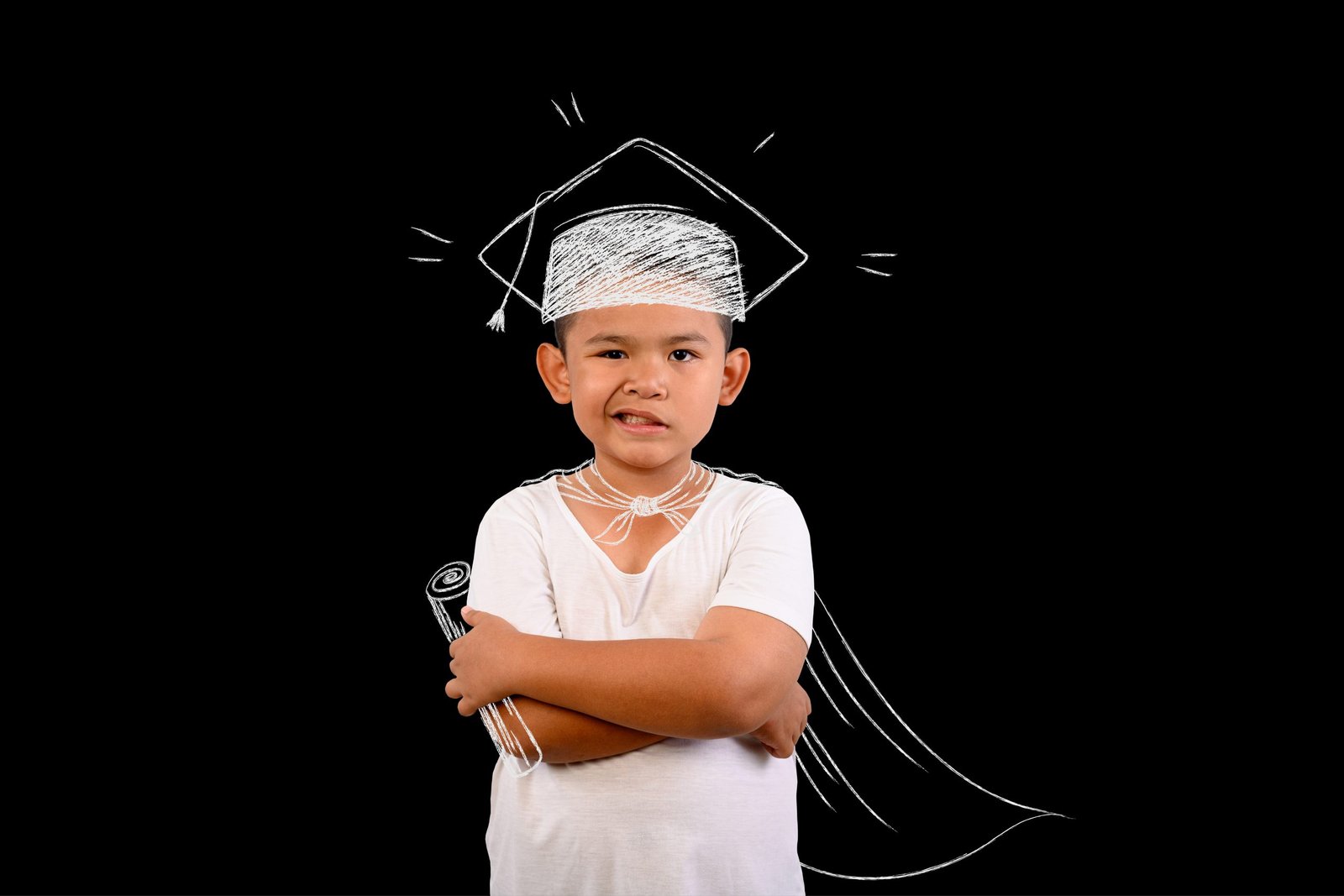
Imagine this: your child throws a tantrum because they can’t build the tower they want, or they get upset during a game with a friend. These are everyday frustrations for young children, and while they might seem like small moments, they’re actually important learning opportunities.
Why Do Children Get Frustrated?
There are many reasons why children might get frustrated:
- Developmental Stage: Younger children are still learning to manage their emotions. They haven’t yet developed the skills to express themselves calmly when things don’t go their way.
- Limited Problem-Solving Skills: They might not know how to solve a problem they’re facing, leading to frustration.
- Desire for Control: Young children often want things done their way, and any deviation from that plan can be upsetting.
Conflict Resolution: A Valuable Skill
Learning to cope with frustration and resolve conflict are essential skills for children. These skills help them:
- Manage their emotions: Understanding and expressing their feelings in a healthy way.
- Develop problem-solving skills: Finding solutions to challenges they encounter.
- Build social skills: Learning to communicate effectively and collaborate with others.
How Can Parents and Educators Help?
Here are some tips to help your child navigate frustration and conflict:
- Be patient and understanding. Acknowledge their feelings and let them know it’s okay to feel frustrated.
- Model healthy coping mechanisms. Show them how you deal with frustration in your own life (take a deep breath, walk away for a moment).
- Teach them problem-solving skills. Work with them to brainstorm solutions to their challenges.
- Encourage communication. Help them express their needs and wants clearly.
- Set clear expectations and boundaries. This helps children understand what is and isn’t acceptable behavior.
The Fun4Learn Advantage:
At Fun4Learn, we believe in creating a nurturing environment that fosters social-emotional learning. Our Child Development System equips teachers with the tools and strategies to:
- Identify and understand children’s emotions.
- Facilitate conflict resolution among students.
- Develop engaging activities that promote problem-solving skills.
- Create a positive classroom climate where children feel safe to express themselves.
By working together – parents, educators, and the Fun4Learn curriculum – we can help children develop the skills they need to navigate frustration, resolve conflict, and grow into confident, happy individuals.